Why Proper Tire Tread Matters More Than You Think on Coastal Roads
Driving along the Carolina coast can be breathtaking, but when sudden coastal rainstorms hit, those scenic routes can turn treacherous in seconds. If you have ever felt your steering wheel go dangerously light during a Wilmington downpour, you have experienced the terrifying loss of control known as hydroplaning.
The only thing keeping your vehicle safely connected to the wet pavement is a footprint of rubber no larger than your hand. Maintaining proper tread depth is not just about passing state vehicle inspections; it is your absolute primary defense against rain-slicked coastal roads, unexpected standing water, and emergency stops.
As a trusted local tire shop, we see the costly and dangerous consequences of neglected vehicle maintenance every storm season. Here is exactly how your tread protects you, what warning signs to look for, and what every local driver needs to know to stay safe on wet pavement.
The Hidden Dangers of Hydroplaning (and How to Avoid It)
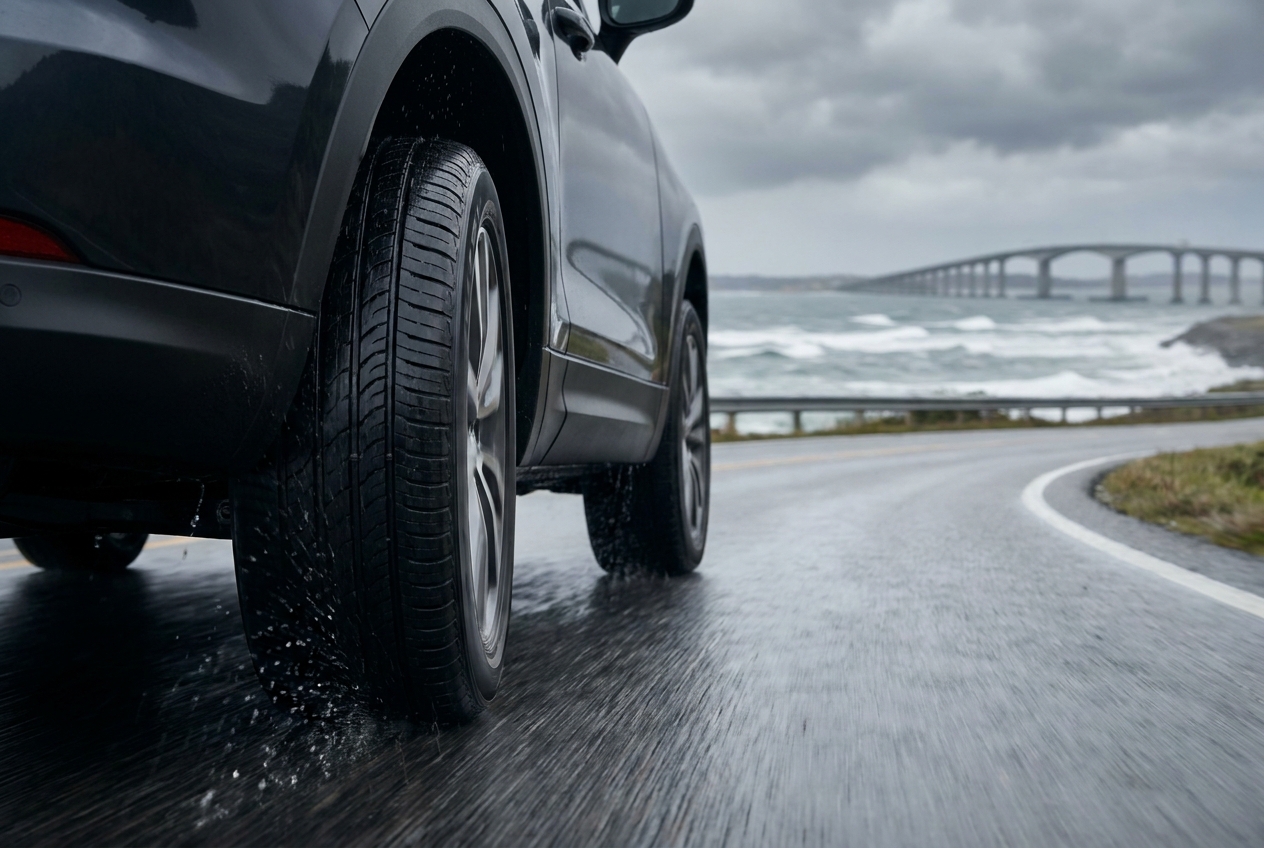
Hydroplaning happens when water builds up in front of your tires faster than the weight of your vehicle can push it away. This immense water pressure slides directly under the rubber, lifting your vehicle entirely off the road surface. In that split second, your brakes and steering wheel become completely useless.
The deep grooves in your rubber are engineered specifically to channel this heavy water away from the contact patch. When these channels wear down over time, the water simply has nowhere to go. Even traveling at moderate speeds on rainy Wilmington highways can become highly dangerous with bald tread.
Driving with healthy, deep tread provides several critical safety benefits:
- Shorter stopping distances: Essential for sudden traffic stops on wet pavement when the car in front of you slams on their brakes.
- Precise steering control: Preventing dangerous slides during sharp coastal curves or evasive maneuvers.
- Enhanced acceleration: Reducing wheel spin at wet intersections and preventing loss of traction when merging onto busy highways.
4 Warning Signs You Cannot Ignore
How do you know when it is time to start looking for new tires for sale? Catching excessive wear early saves you from terrifying emergency situations and expensive tow bills. Check your vehicle for these critical symptoms today:
- Failing the penny test: Insert a penny upside down into your tread groove. If you can see all of Lincoln's head, your tread is below the legal safety limit of 2/32 of an inch and requires immediate replacement.
- Exposed wear bars: Modern rubber features built-in horizontal indicator bars. When these bars become flush with your surrounding tread, your water-channeling capabilities are completely gone.
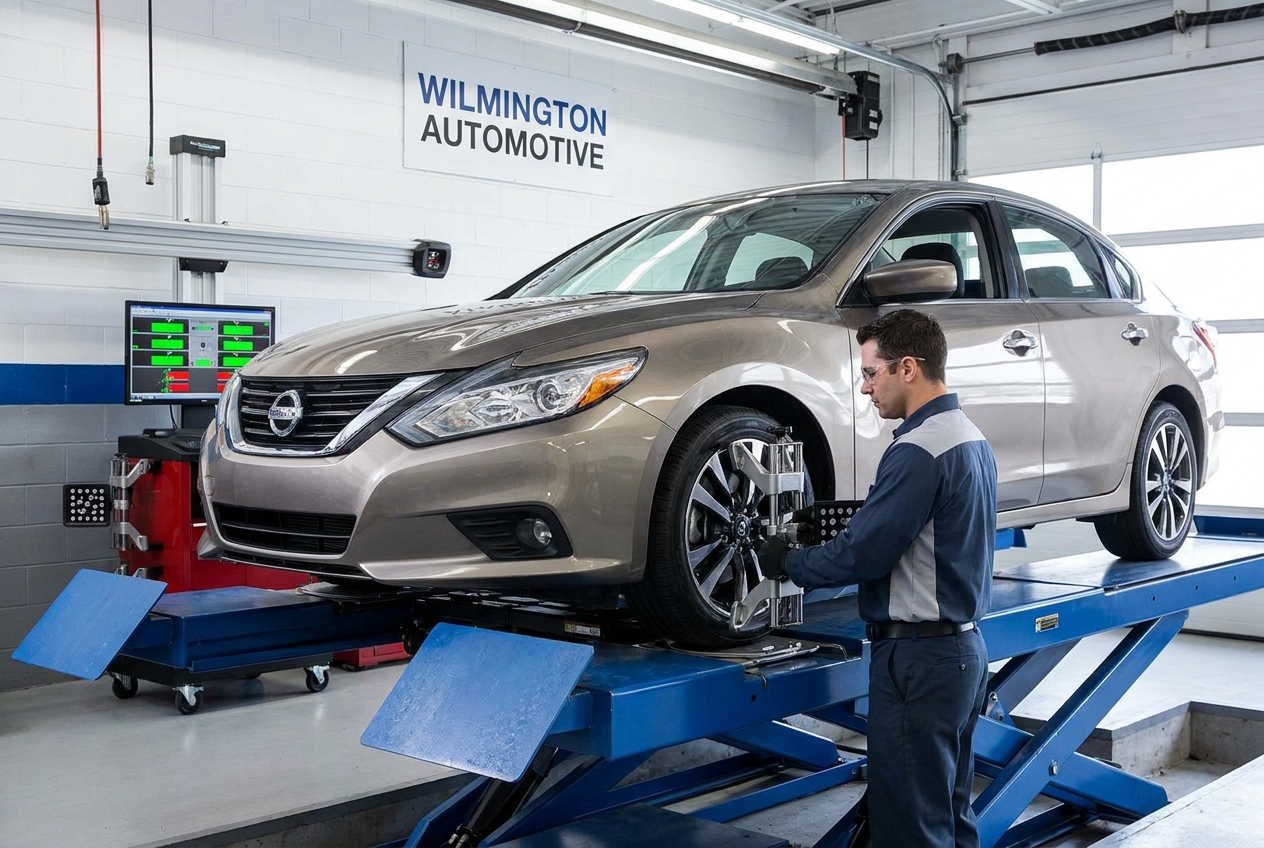
- Uneven wear patterns: Cupping or heavy wear on just one edge often indicates deeper suspension issues. This is a clear sign you need to look for a tire alignment near me to prevent completely destroying your next set of rubber.
- Constant loss of air pressure: Finding yourself constantly topping up air? You might have a slow leak requiring professional service. Searching for tire repair near me early can save the structural integrity of the rubber before it is ruined by driving on dangerously low pressure.
Choosing the Right Rubber for Wilmington Weather
Coastal North Carolina presents a unique and demanding driving environment. We deal with blistering summer asphalt heat, heavy hurricane-season torrential rains, and relatively mild winters. Your vehicle needs equipment designed to handle these specific extremes.
For most local drivers, premium all-season tires are the absolute perfect choice. They feature specialized rubber compounds and advanced tread patterns specifically designed to evacuate heavy rain while resisting rapid wear on hot summer pavement.
While drivers up north spend hours researching the best winter tires, Wilmington residents should focus entirely on excellent wet-weather traction and hydroplaning resistance. If budget is a temporary concern, many drivers search for used tires near me as a stopgap, but you must always ensure they have plenty of tread life remaining before considering installation.
Best Practices to Extend Your Tread Life
Maximizing the lifespan of your rubber keeps hard-earned money in your pocket and ensures optimal safety for your family. Following a basic maintenance routine is the secret to getting the most mileage out of your investment.
- Check pressure monthly: Under-inflation causes rapid edge wear and decreases fuel economy, while over-inflation wears out the center of the tread. Always keep them properly inflated to your manufacturer's recommended PSI.
- Rotate every 5,000 miles: Front-wheel drive vehicles wear front rubber significantly faster due to steering friction and engine weight. Regular rotations ensure all four corners wear evenly, extending their usable life by thousands of miles.
- Maintain proper alignment: Hitting local potholes or curbing heavily knocks your delicate suspension out of specification. Regular alignments keep your wheels perfectly straight, preventing costly and rapid premature wear.
Expert Automotive Care for Wilmington Drivers
Do not wait for a heavy coastal downpour to discover your tread is dangerously low. Proper maintenance is significantly cheaper than an accident, and staying proactive gives you complete peace of mind on the road. Whether you are hunting for seasonal tire deals, need a routine rotation, or are simply looking for a reliable tire shop near me, professional, honest help is right around the corner.
The ASE-certified technicians at College Road Tire and Auto are here to help you drive safely. Stop by our Wilmington location today for a free tread inspection, and let our automotive experts ensure your vehicle is fully prepared for whatever unpredictable coastal weather comes your way.