
Why Hurricane Season Tire Safety Matters More Than You Think
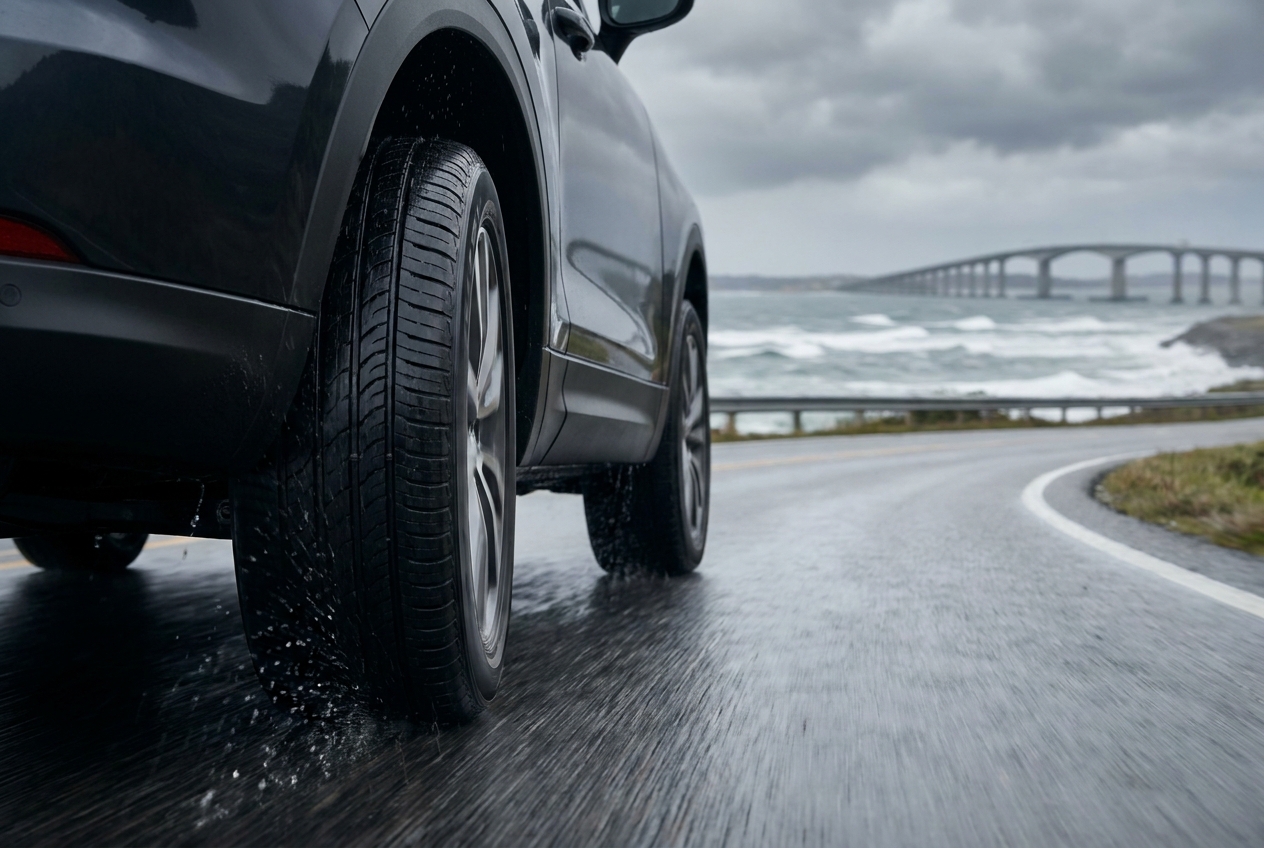
That sudden, terrifying moment when your steering wheel goes completely light during a torrential downpour isn't just a minor inconvenience—it is a critical warning sign. Hydroplaning occurs when a layer of water builds up between your tires and the road surface, leading to a total loss of traction. When you live in a coastal area prone to sudden tropical storms, properly prepping your vehicle is a matter of absolute safety.
During the height of hurricane season, Wilmington roads can flood in a matter of minutes. Whether you are navigating the heavy traffic on Market Street or cruising down I-40, your safety directly depends on the four small contact patches where your vehicle meets the pavement. If your rubber is dangerously worn or improperly inflated, your risk of an accident skyrockets during sudden summer downpours.
As a trusted local tire shop, we see firsthand how quickly neglected maintenance can turn a typical rainy commute into a dangerous situation. Taking the time to evaluate your vehicle before the heavy storms arrive ensures you maintain control when the weather takes a sudden turn for the worse.
4 Critical Tire Checks for Wet Wilmington Roads
Before the next major storm rolls into the Cape Fear region, you need to know exactly where your vehicle stands. Performing these essential visual and physical checks takes only a few minutes but can prevent thousands of dollars in collision damage.
- Test Your Tread Depth: Water needs an immediate place to go. Deep tread grooves channel standing water away from the contact patch, allowing the rubber to grip the road. Insert a penny into your tread groove with Lincoln's head upside down. If you can see the top of his head, your tread is dangerously low and cannot safely evacuate water.
- Verify Proper Inflation Pressure: Temperature fluctuations can cause significant drops in air pressure. Underinflated rubber collapses slightly in the center, severely reducing wet traction and making hydroplaning much more likely. Check your owner's manual for the correct PSI and always test them when the rubber is cold.
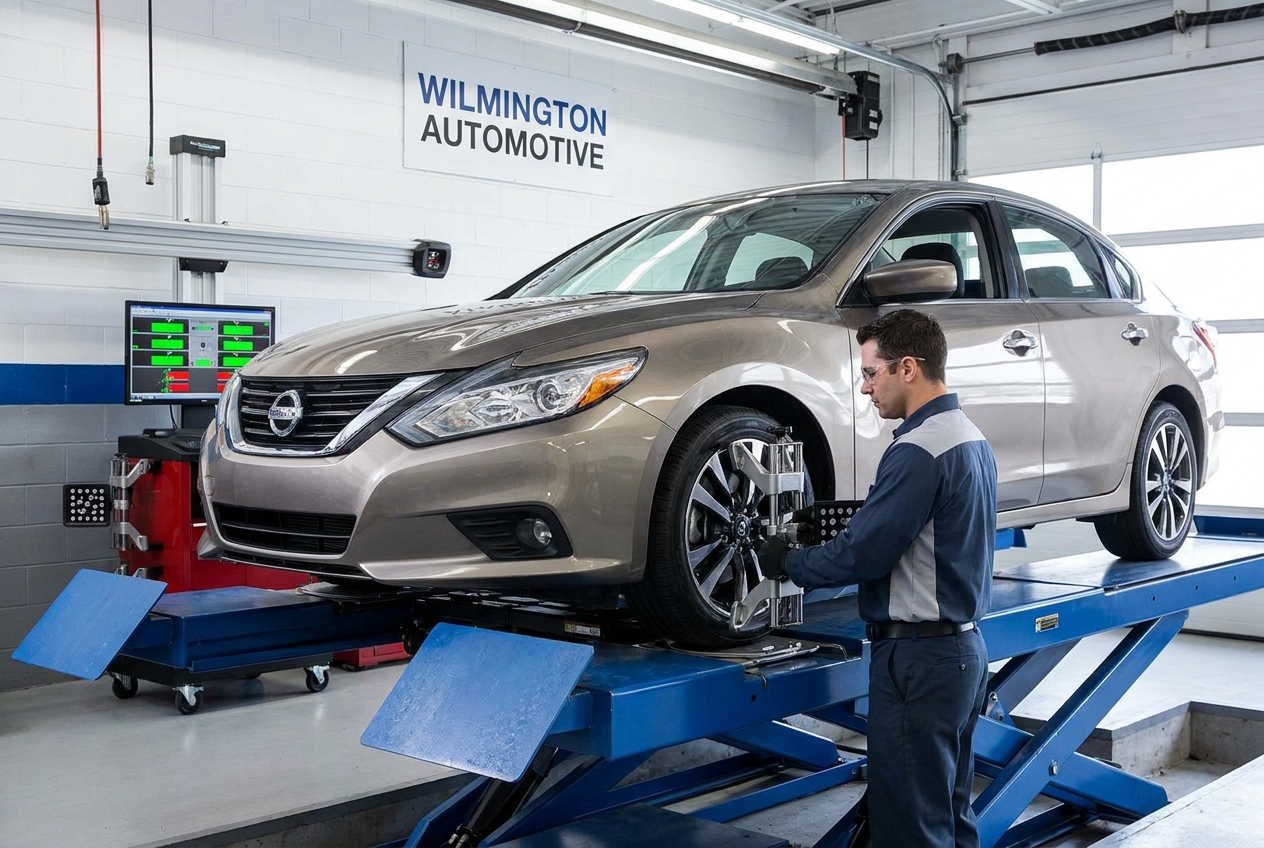
- Inspect for Uneven Wear Patterns: Run your hands along the edges of your rubber. If one side is significantly more worn than the other, your suspension might be completely out of spec. If your vehicle consistently pulls to one side during a rainstorm, finding a quick tire alignment near me is an absolute necessity to prevent further degradation and restore safe handling.
- Examine for Dry Rot and Damage: The intense coastal sun bakes rubber compounds over time, causing tiny cracks in the sidewall known as dry rot. These weak points are highly susceptible to dangerous blowouts, especially when hitting unseen potholes hidden under flooded coastal streets.
How to Prevent Hydroplaning and Maintain Control
Even with brand new rubber, severe weather demands a drastic change in your daily driving habits. When the skies open up over Wilmington, reduce your speed immediately. Hydroplaning rarely happens below 35 miles per hour, but the risk increases exponentially as your speed climbs. If you do feel your vehicle start to float, take your foot off the accelerator completely and avoid slamming on your brakes.
Investing in high-quality all-season tires designed with specific asymmetrical tread patterns is your best defense against deep standing water. While drivers up north spend their time researching the best winter tires, coastal residents must prioritize maximum wet-weather performance and advanced water evacuation capabilities.
Additionally, severe storm debris like roofing nails, broken branches, and construction materials frequently wash into the roadways. This unexpected debris often causes slow leaks or sudden blowouts. Knowing exactly where to find expert tire repair near me ensures you are never left stranded on a dangerous, weather-beaten shoulder for long.
The True Cost of Driving on Worn Rubber
It is incredibly tempting to put off automotive maintenance to save a few dollars, but driving on compromised equipment is a massive financial and physical risk. A minor fender bender caused by sliding through a wet intersection will cost significantly more in deductibles, insurance premiums, and repairs than a brand-new set of reliable rubber.
If your tread depth is heavily compromised, it is time to start looking at new tires for sale. While searching for used tires near me might seem like a budget-friendly quick fix, you must rigorously verify they have adequate tread life remaining to handle torrential downpours safely. The small upfront savings simply aren't worth risking your family's safety during a tropical depression.
Fortunately, upgrading your ride doesn't have to drain your savings account. We frequently offer exclusive tire deals to help our neighbors stay safe on the road without breaking the bank. Investing in proper traction is an immediate investment in your peace of mind.
Special Storm Concerns for Wilmington Drivers
Living in New Hanover County comes with unique automotive challenges. Our gorgeous coastal environment means we constantly deal with sudden, high-volume downpours that our drainage systems sometimes struggle to handle. Massive puddles can completely disguise deep potholes or sharp storm debris that can instantly ruin a perfectly good sidewall.
When severe weather strikes and evacuation routes become congested, the very last thing you want is to be frantically searching for a reliable tire shop near me. Being proactive means your vehicle is always ready to handle sudden evacuations, deeply flooded intersections, and the utterly unpredictable nature of Atlantic storm systems.
Don't wait for the very first hurricane warning of the season to drop before checking your tread depth. The ASE-certified technicians at College Road Tire and Auto are here to help protect your family. Stop by our Wilmington location today for a complete safety inspection, and let us provide personalized recommendations to keep you safe through every storm.